
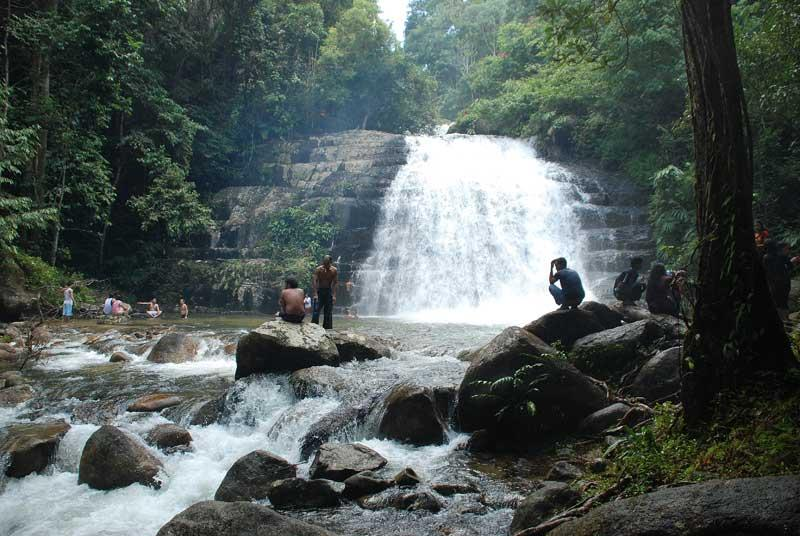
Portugal is often presented through Lisbon, Porto, beaches and historic streets, but that picture leaves out much of the country’s natural and cultural variety. The Best Parks and Tourist Centers in Portugal include a national park, coastal protected areas, mountain landscapes, wetlands, island ecosystems, historic cities and gardens that reveal very different sides of the country.
This guide looks at Portugal as a connected destination rather than a collection of famous photographs. It covers protected landscapes, heritage cities, historic monuments, gardens and regional centres, while explaining how season, geography, transport and visitor pressure affect the experience.
The purpose is to help travellers make better decisions before they arrive. Portugal can work for a short city break, a longer road journey, a hiking trip, a heritage-focused itinerary or an island escape. The strongest route depends on what you want to understand, how much time you have and which part of the country you can realistically explore.
Portugal combines Atlantic coastlines, mountain landscapes, historic cities and island ecosystems within a country where nature and cultural heritage are closely connected.
Quick Answer
For protected nature, start with Peneda-Gerês, Serra da Estrela, Sintra-Cascais, Arrábida, Ria Formosa, Sudoeste Alentejano e Costa Vicentina and Madeira. For culture, Lisbon, Porto, Sintra, Évora, Coimbra, Guimarães and Braga provide strong starting points. For gardens, consider Ajuda Botanical Garden, Serralves Park and Estrela Garden.
Quick Facts About Portugal
| Travel Factor | What To Know |
|---|---|
| National parks | Portugal has one national park: Peneda-Gerês. |
| Protected landscapes | Natural parks and reserves cover mountains, forests, coastlines, wetlands, islands and estuaries. |
| Best-known centres | Lisbon, Porto, Sintra, Évora, Coimbra, Guimarães and Braga. |
| Nature travel | Spring and autumn are useful for many walking and sightseeing itineraries; mountain and coastal conditions vary. |
| Island travel | Madeira and the Azores have their own climates, landscapes and protected-area systems. |
| Main interests | Heritage, architecture, gardens, hiking, coastline, wildlife, food, wine and island landscapes. |
| Before travelling | Verify current entry requirements, weather, wildfire information, trail conditions, transport and local regulations. |
Why Portugal Needs Context Before You Go
Portugal is geographically smaller than many European countries, but its landscapes change substantially from north to south and from mainland Portugal to Madeira and the Azores. The green mountains of the north do not offer the same experience as the dry landscapes of parts of Alentejo or the wetlands and barrier islands of the Algarve.
Season also matters. Summer can bring hot and dry conditions inland and along parts of the coast, while winter is generally milder but wetter in many areas. Mountain weather can be different from conditions in nearby cities. Fire risk can also affect access to natural areas during periods of high danger.
Tourism pressure is another consideration. Lisbon, Porto, Sintra and some Algarve destinations can become busy, particularly during popular travel periods. A good itinerary therefore balances famous places with less pressured destinations and allows enough time to experience each region rather than rushing between landmarks.
The Core Problem Travellers Face
The question “What should I see in Portugal?” is too broad to create a useful itinerary. A better question is: “Which Portuguese landscapes, cities and cultural experiences fit the way I want to travel?” A heritage traveller may favour Lisbon, Porto, Sintra and Évora. A nature traveller may prefer Peneda-Gerês, Serra da Estrela or the Atlantic coast. A slower itinerary might combine gardens, villages and regional food with fewer major attractions.
Destination Overview: How Portugal’s Geography Shapes Travel
Portugal occupies the western edge of mainland Iberia, with the Atlantic shaping much of its climate, culture and settlement history. The mainland contains northern mountain ranges, central uplands, river valleys, Atlantic beaches, estuaries and the warmer landscapes of Alentejo and the Algarve. Offshore, Madeira and the Azores add volcanic island environments that are substantially different from the mainland.
This variety explains why Portugal works for several different forms of travel. The north is strongly associated with mountains, rivers, historic towns and the Douro landscape. Central Portugal combines uplands, heritage cities and Atlantic coast. Around Lisbon, historic monuments sit close to protected landscapes. Further south, the Algarve combines beaches, wetlands and coastal scenery. Madeira and the Azores offer another level of nature-focused travel.
National Parks And Protected Areas
Portugal has only one area formally classified as a national park, Peneda-Gerês, but that does not mean nature travel is limited. The country has numerous natural parks, nature reserves and protected landscapes. Together they protect mountains, forests, wetlands, dunes, estuaries, cliffs, islands and marine environments.
Peneda-Gerês National Park (Northern Portugal)
Peneda-Gerês is Portugal’s only national park and one of the country’s strongest destinations for mountain scenery, forests, rivers and rural landscapes. It extends across the Peneda and Gerês mountain areas and includes villages and landscapes where traditional ways of life remain part of the setting. Walking, landscape observation and outdoor exploration are major reasons to visit. Spring and early autumn can be attractive for walking, although weather changes with elevation and season. It suits travellers who want Portugal’s mountain character rather than a conventional city break. Visitors should stay on appropriate paths, respect rural communities and avoid disturbing livestock, wildlife or fragile vegetation.
Serra da Estrela Natural Park (Central Portugal)
Serra da Estrela is Portugal’s largest protected area and contains the country’s highest mainland mountain environment. Its upland landscape includes valleys, rivers, lagoons, rocky terrain and seasonal differences that are stronger than those experienced on much of the coast. Hiking and scenic driving are important ways to explore it, while winter can bring very different conditions at higher elevations. It suits travellers who want mountains without leaving mainland Portugal’s central region. Because weather can change rapidly in upland areas, visitors should check current conditions and choose routes appropriate to their experience.
Sintra-Cascais Natural Park (Lisbon Region)
Sintra-Cascais combines Atlantic coastline, forests, hills, beaches and historic estates close to Lisbon. It is particularly valuable because nature and cultural heritage are intertwined: palaces and historic landscapes sit within a protected environment rather than an isolated urban setting. Walking, viewpoints and coastal exploration can be combined with visits to Sintra’s cultural attractions. Spring and autumn can offer comfortable conditions, although popular locations can be busy. The area suits first-time visitors who want nature and heritage in one excursion. Responsible travel means respecting paths, protected vegetation and residential areas while avoiding unnecessary pressure on heavily visited sites.
Arrábida Natural Park (Setúbal District)
Arrábida lies south of Lisbon and combines wooded mountains, pale limestone formations and the Atlantic coastline. The landscape changes quickly between elevated viewpoints and beaches, creating opportunities for walking, scenic exploration and coastal activities. Warmer months can be attractive for seaside experiences, while spring and autumn can be useful for exploring the hills more comfortably. It suits travellers looking for a nature-focused day or short escape from Lisbon. Because coastal environments can be sensitive, visitors should use designated access routes and avoid damaging vegetation or disturbing wildlife.
Ria Formosa Natural Park (Algarve)
Ria Formosa is a major wetland landscape in the eastern Algarve, characterised by channels, marshlands, islands and sandy barrier systems. Its importance comes from the relationship between coastal processes and wetland ecosystems, making it especially interesting for travellers interested in birdlife and nature observation. Mild periods outside the hottest summer conditions can be comfortable for exploring the area, although exact conditions depend on location and activity. It suits wildlife observers, photographers and travellers who want an alternative to resort-focused Algarve travel. Visitors should keep to appropriate routes and avoid disturbing birds or entering sensitive habitats.
Sudoeste Alentejano e Costa Vicentina Natural Park (Alentejo and Algarve)
This protected coastal landscape stretches along a long section of Portugal’s western and southwestern shoreline and is recognised for its relatively preserved combination of cliffs, beaches, dunes and inland habitats. Walking and coastal sightseeing are major experiences, with changing Atlantic weather forming part of the landscape. Spring and autumn can be particularly suitable for active exploration, while summer is popular for coastal travel but may bring heat and stronger visitor pressure. It suits travellers who prefer dramatic coastlines and smaller settlements to major resort areas. Responsible visitors should stay away from unstable cliff edges and respect protected dunes and nesting areas.
Parque Natural da Madeira (Madeira)
Madeira’s Natural Park covers a substantial portion of the island and extends into marine areas, protecting an extraordinary range of landscapes. The island is particularly associated with Laurisilva forest, which is recognised by UNESCO as World Heritage. Mountain terrain, forest, coastal scenery and traditional water landscapes make Madeira very different from mainland Portugal. The island’s mild climate supports outdoor travel across much of the year, although rainfall and mountain cloud can change conditions quickly. It suits hikers, landscape travellers and visitors interested in island ecology. Visitors should follow marked routes and current safety advice, particularly when walking in steep or exposed terrain.

Tourist Centres And Cultural Attractions
Portugal’s cultural attractions work best when viewed regionally. Lisbon and Porto provide major urban and historical foundations, while Sintra demonstrates the relationship between landscape and architecture. Évora offers a different Alentejo perspective, Coimbra centres on university and intellectual history, and northern cities such as Guimarães and Braga connect Portugal’s national story with religious and medieval heritage.
Lisbon (Lisbon Region)
Lisbon is Portugal’s capital and the most practical starting point for many first-time visitors. Its historic districts, riverfront, viewpoints, museums, religious buildings and neighbourhoods reveal layers of Portuguese history, while its contemporary identity adds another dimension. The Jerónimos Monastery and Tower of Belém form part of a UNESCO World Heritage property. Spring and autumn are often comfortable for walking, although Lisbon is a year-round destination. It suits travellers interested in history, food, architecture, culture and urban exploration. Because historic neighbourhoods remain residential communities, visitors should avoid treating narrow streets, homes and local businesses as a backdrop without considering residents.
Porto (Northern Portugal)
Porto sits along the Douro and is closely associated with historic architecture, riverfront landscapes and Portugal’s northern cultural identity. Its historic centre, the Luiz I Bridge and the Monastery of Serra do Pilar form a UNESCO World Heritage property. The city is well suited to travellers interested in architecture, food, river landscapes and the wider Douro region. Spring and early autumn can be useful for walking, while winter may bring wetter conditions. Porto works particularly well as a base for exploring northern Portugal, including nearby historic cities and protected landscapes.
Sintra (Lisbon Region)
Sintra is one of Portugal’s most distinctive cultural landscapes, where palaces, historic estates, forests and mountain scenery form a connected environment. The Cultural Landscape of Sintra is a UNESCO World Heritage property. Pena Palace, the Moorish Castle and other historic sites are among the major attractions, but the surrounding landscape is equally important to understanding the area. Spring and autumn can be attractive for combining walking and heritage visits. Sintra suits travellers interested in architecture, romantic-era landscapes, gardens and history. Visitor pressure can be significant, so planning the day around several locations rather than concentrating on one crowded viewpoint can improve the experience.
Évora (Alentejo)
Évora is a historic Alentejo city whose compact centre makes it particularly suitable for walking. Its heritage reflects several periods of Portuguese and Iberian history, and the Historic Centre of Évora is listed by UNESCO. Roman, medieval and later architectural layers can be encountered within the same urban environment. The city’s inland position means summers can be hot, making spring and autumn useful periods for extended outdoor exploration. Évora suits travellers who prefer history, architecture and slower city experiences. Visitors should leave time for ordinary streets and public spaces rather than viewing the city solely through its major monuments.
Coimbra (Centro Region)
Coimbra is strongly associated with its historic university, which forms part of the UNESCO-listed University of Coimbra – Alta and Sofia. The city sits along the Mondego River and has a longstanding academic and cultural identity. Its elevated historic areas create a different walking experience from flatter Portuguese cities. Spring and autumn can be comfortable for exploring the old city and university area. Coimbra suits travellers interested in education, architecture, history and Portuguese intellectual traditions. It works especially well as a stop between Lisbon and northern destinations.
Guimarães (Northern Portugal)
Guimarães is recognised as an important historic city and is closely associated with Portugal’s early national history. Its historic centre is a UNESCO World Heritage property, with medieval streets and buildings creating a compact cultural environment. The city is particularly useful for travellers who want to understand northern Portugal beyond Porto. Its walkable historic core suits slower exploration, while nearby landscapes provide opportunities to combine culture with nature. Guimarães is also European Green Capital for 2026, adding a contemporary sustainability dimension to its historic identity.
Braga (Northern Portugal)
Braga is one of Portugal’s important religious and historic centres, with a long association with Christianity and northern Portuguese culture. The Sanctuary of Bom Jesus do Monte is a UNESCO World Heritage property and is notable for its monumental staircase, landscape setting and religious architecture. Braga suits travellers interested in religious heritage, architecture and historic urban environments. Spring and autumn are comfortable periods for combining the city with nearby attractions. Visitors should treat religious sites as active places of worship and observe the behaviour expected within them.
Botanical Gardens And Eco Parks
Portugal’s gardens range from historic botanical collections to contemporary cultural landscapes. They can be useful additions to an itinerary because they slow the pace of travel while showing how Portuguese landscapes have been designed, cultivated and interpreted.
Ajuda Botanical Garden (Lisbon)
Ajuda Botanical Garden is recognised as Portugal’s oldest botanical garden and was established in the eighteenth century. Its collections are organised partly around geographical regions, and the garden includes water features, a greenhouse and an accessible scent garden. It suits travellers interested in botany, garden history and quieter urban experiences. Its location in Lisbon makes it particularly useful for travellers who want a garden experience without leaving the capital.
Serralves Park (Porto)
Serralves Park surrounds the Serralves cultural complex in Porto and combines formal gardens, woodland, a rose garden and a lake. Its landscape design is closely integrated with the surrounding contemporary cultural institution. It suits travellers interested in landscape architecture, art and urban green spaces. The park provides a useful contrast with Porto’s dense historic centre and can be incorporated into a slower cultural day.
Estrela Garden (Lisbon)
Estrela Garden, also known as Guerra Junqueiro Garden, is a nineteenth-century naturalistic garden inspired by English park design. Its vegetation, lakes and open spaces make it a useful example of a historic urban garden rather than a formal botanical collection. It suits travellers who want to experience how Lisbon residents use public green space and provides a quieter alternative to sightseeing focused entirely on monuments.
Best Time To Visit Portugal
Spring: Spring is one of the most versatile periods for Portugal. Temperatures can support city walking and outdoor exploration, while gardens, countryside and protected landscapes become particularly appealing. Conditions still vary by region.
Summer: Summer is popular for beaches and coastal destinations, but inland areas can become very hot. Wildfire risk can also affect access to some natural areas. Check official warnings before travelling into forests or protected landscapes.
Autumn: Autumn can provide comfortable conditions for heritage cities, hiking and rural travel. Northern Portugal may become wetter, while southern areas can remain relatively mild.
Winter: Winter is useful for travellers interested in cities, heritage and quieter travel. Madeira can offer a milder island experience, while mountain destinations can experience much colder and wetter conditions.
Shoulder periods: Spring and autumn often provide a useful balance between weather and visitor pressure, but there is no single ideal period for the entire country. Choose according to the specific region and activity.
Real-World Travel: How These Places Actually Work
Transport And Getting Around
Portugal’s major cities are connected by rail and road networks, making Lisbon, Porto, Coimbra and other major centres practical components of a multi-city journey. Rural protected areas require more planning. Public transport may reach a nearby town without taking you directly to a trailhead, viewpoint or isolated village. Madeira and the Azores require separate island planning, while some coastal areas are easier to explore with flexible local transport. A realistic itinerary should therefore account for the final stage of each journey rather than only the major intercity connection.
Parks And Trails
Protected areas are not single attractions with identical visitor systems. A natural park may contain several municipalities, villages, roads, trails and habitats. Trail conditions can change because of weather, fire risk, maintenance or environmental protection. Before setting out, check the current official information for the specific route and region. Avoid leaving marked paths where doing so could damage vegetation or create safety problems.
Heritage Sites And Cities
Portugal’s historic centres are living places rather than open-air museums. Churches remain places of worship, narrow streets may be residential, and historic buildings can contain active institutions or private spaces. Travellers get more from these places by walking slowly, reading the context and respecting local routines. Major monuments should be combined with ordinary neighbourhoods, public spaces and regional food traditions to understand how heritage fits into present-day life.
Regional Systems: How Portugal Divides For Travellers
Porto And The North
Northern Portugal suits travellers interested in Porto, historic cities, mountain landscapes, the Douro and Peneda-Gerês. It is particularly strong for combining cultural heritage with rural and natural landscapes.
Centro de Portugal
Central Portugal provides a useful mixture of mountains, university heritage, monasteries, historic towns and Atlantic landscapes. Coimbra and Serra da Estrela can anchor different styles of travel within the same broad region.
Lisbon Region And Alentejo
Lisbon provides urban heritage and access to Sintra, Cascais and Arrábida, while Alentejo offers a slower rhythm of historic towns, open landscapes and protected coastal environments. This region suits travellers who want to combine culture with countryside.
Algarve, Madeira And The Azores
The Algarve is strongest for Atlantic coastlines, wetlands and island-like coastal environments, while Madeira and the Azores provide distinctive volcanic landscapes and protected ecosystems. Island trips deserve their own schedules because weather and transport can affect connections.
Travel Safety, Culture And Wellness
Portugal is generally straightforward to explore, but natural conditions deserve attention. Summer heat and wildfire risk can affect inland and forested areas, while Atlantic weather can create strong coastal conditions. Mountain areas can experience different weather from nearby cities. Check official safety notices before hiking, cycling or visiting protected landscapes.
Cultural etiquette is usually straightforward but still important. Churches and monasteries should be approached respectfully, particularly during religious services. Historic neighbourhoods are lived-in communities, so visitors should avoid excessive noise, blocking narrow streets and photographing people or private property without consideration.
Wellness planning is especially relevant on active itineraries. A walking-heavy Lisbon day is different from hiking in Peneda-Gerês, Serra da Estrela or Madeira. Carry appropriate water, footwear and weather protection, and do not underestimate heat on exposed trails. If your itinerary combines cities with demanding outdoor activities, include enough recovery time.
Decision Framework: Plan Your Portugal Route
- Identify your travel style: Decide whether your priority is heritage, cities, mountains, coastline, gardens, wildlife or islands.
- Choose a region: Build the trip around a manageable part of Portugal rather than attempting the entire country.
- Match the season: Consider heat, rain, wildfire risk, mountain conditions and coastal weather.
- Verify access: Check current transport, trail conditions, local restrictions and official notices.
- Travel responsibly: Respect residents, protected habitats, cultural sites and visitor-management measures.
Action Checklist
Before You Go
- Check current entry and travel requirements.
- Research regional weather and seasonal conditions.
- Check wildfire and protected-area notices during hotter periods.
- Plan realistic transport between cities and rural destinations.
During Your Visit
- Use marked trails and follow local instructions.
- Allow extra time for regional transport connections.
- Respect residential neighbourhoods and local customs.
- Carry appropriate water, footwear and weather protection.
At Sensitive Sites
- Do not enter restricted conservation areas.
- Keep away from unstable coastal cliffs.
- Avoid disturbing birds and other wildlife.
- Respect religious buildings and historic structures.
Common Mistakes And How To Fix Them
- Mistake: Treating Portugal as one climate zone. Correction: Check conditions for the specific region because northern mountains, southern coast and islands can differ considerably.
- Mistake: Visiting only Lisbon and Porto. Correction: Add one protected landscape or regional city to see how Portuguese culture changes outside the major urban centres.
- Mistake: Assuming summer is ideal everywhere. Correction: Consider heat and wildfire risk when planning inland walks or protected-area visits.
- Mistake: Rushing through Sintra. Correction: Allow enough time for both its cultural attractions and landscape because the UNESCO property is a cultural landscape rather than a single monument.
- Mistake: Ignoring rural transport. Correction: Research the final connection to trails and protected areas because major intercity transport does not necessarily reach the attraction itself.
Common Misconceptions About Portugal
- Portugal is only a beach destination: Mountains, wetlands, forests and historic landscapes are equally important.
- Portugal has many national parks: It has one national park, supported by a much broader network of natural parks and reserves.
- All Portuguese cities look alike: Lisbon, Porto, Évora, Coimbra, Guimarães and Braga have distinct historical identities.
- The islands are simply extensions of mainland Portugal: Madeira and the Azores have distinctive volcanic environments and travel conditions.
FAQs
What are the best national parks in Portugal?
Portugal has one national park: Peneda-Gerês. However, travellers seeking nature have many additional options, including Serra da Estrela, Sintra-Cascais, Arrábida, Ria Formosa and Sudoeste Alentejano e Costa Vicentina.
How many national parks does Portugal have?
Portugal has one national park, Peneda-Gerês. The country’s wider protected-area network includes numerous natural parks, nature reserves and protected landscapes covering mainland and island environments.
What is the best time to visit Portugal?
Spring and autumn can be versatile periods for combining cities, heritage and outdoor activities. Summer is popular for coastal travel, while winter can suit quieter city and cultural trips. Regional conditions should always be checked.
What are the best tourist centres in Portugal?
Lisbon, Porto, Sintra, Évora, Coimbra, Guimarães and Braga provide strong starting points. Each offers a different combination of history, architecture, religion, landscape and regional culture.
Is Peneda-Gerês suitable for beginners?
Some parts of Peneda-Gerês can be explored through accessible routes and scenic visits, while other areas require more demanding hiking. Choose activities according to your fitness, experience and current trail conditions.
What are the best natural areas in the Algarve?
Ria Formosa is particularly important for wetlands, islands and birdlife, while the Sudoeste Alentejano e Costa Vicentina extends into the southwestern Algarve and provides dramatic Atlantic coastal landscapes.
Are Portugal’s gardens worth visiting?
Yes. Ajuda Botanical Garden, Serralves Park and Estrela Garden show different approaches to botanical collections, landscape architecture and public green space. They also provide slower alternatives to monument-focused sightseeing.
How should I plan a nature trip in Portugal?
Choose one region first, identify suitable protected areas, match the trip to the season, check transport and trail information, then build a realistic itinerary that allows enough time for the landscape rather than simply passing through.
Conclusion
Portugal is more varied than its most familiar images suggest. Its single national park sits within a much wider network of natural parks and reserves, while historic cities, UNESCO properties and gardens provide cultural experiences that can be combined with the outdoors. From Peneda-Gerês and Serra da Estrela to Ria Formosa and Madeira, the natural side of Portugal deserves as much attention as its major cities.
The best route is not necessarily the one containing the largest number of famous attractions. Choose a region, understand its seasonal conditions, allow realistic travel time and give local communities and protected landscapes the same consideration you would give a major monument. That approach makes Portugal easier to understand and more rewarding to explore.
Verify Before You Go
Important: Travel conditions, entry requirements, regulations, health guidance and official notices can change. Use TravelTourCare for research and context, then confirm current requirements with the relevant official authority before making formal travel decisions.
Sources And References
- Instituto da Conservação da Natureza e das Florestas — Portugal’s protected areas and conservation authority
- Visit Portugal — Official national tourism authority
- UNESCO World Heritage Centre — Portugal country page
Ordered some pre-rolls for the weekend and they did the job. Burned even and tasted good. Can’t complain.
First timer here. They explained the crypto payment clearly and made it simple. Felt looked after the whole way.
Traveling through for work and didn’t know where to look. Took a chance here and it worked out fine. Edibles were fresh and not overly sweet, which I liked.
Was in town visiting family and needed something reliable. Found these guys and decided to try a small order. Everything landed exactly how they said it would. Made my trip a lot more relaxed.
first time trying an online spot cuz my usual dude fell off. was nervous cuz you hear stories but these guys came through no cap. tracking info was accurate, pack showed up sealed, buds looked exactly like the pics. definitely gonna keep ordering from here on out
First time ordering and I wasn’t sure what to expect. The flower showed up fresh and sealed tight, and the communication stayed solid the whole way through. Definitely felt legit and I’ll probably run it back soon.
Easy ordering, simple checkout, no weird steps. The gas was straight and did what it needed to do. I’ll be back.
bro these edibles knocked me OUT. took two gummies thinking I was tough, woke up 9 hours later like what year is it 😭 just kidding no emojis but yeah they hit hard, be careful
pack was heavy, no complaints
Was traveling through for a couple days visiting family and needed something to help me sleep. These guys came recommended by a homie who lives out there. Ended up grabbing some indica flower and a few disposables, everything was on point. Only complaint is I wish I would've ordered more before I left.
second order and they still came thru with no issues. stash was fresh and packaged discreet. appreciate that
order came in two days flat. buds smelled crazy soon as i opened it. imma keep messing with them fr
Was hesitant about the crypto thing at first cause I never used it before. They walked me through it step by step and it wasn't as bad as I thought. Order came through clean.
Was passing through Vegas and needed a small stash for the weekend. They handled it quick and the disposables were solid. Made the trip a whole lot better.
Ordered a half and it landed the next morning. Buds were dense and smelled like they should. No games, no runaround.
Wasn't sure at first cause the site looked new to me. But everything checked out. Pack was sealed proper and quality was there.
bro the edibles knocked me OUT. took two thinking I was tough and woke up 12 hours later lmao. worth every dollar tho
Flower was decent. Not the loudest I ever had but definitely worth what I paid. Communication was quick which I liked.